
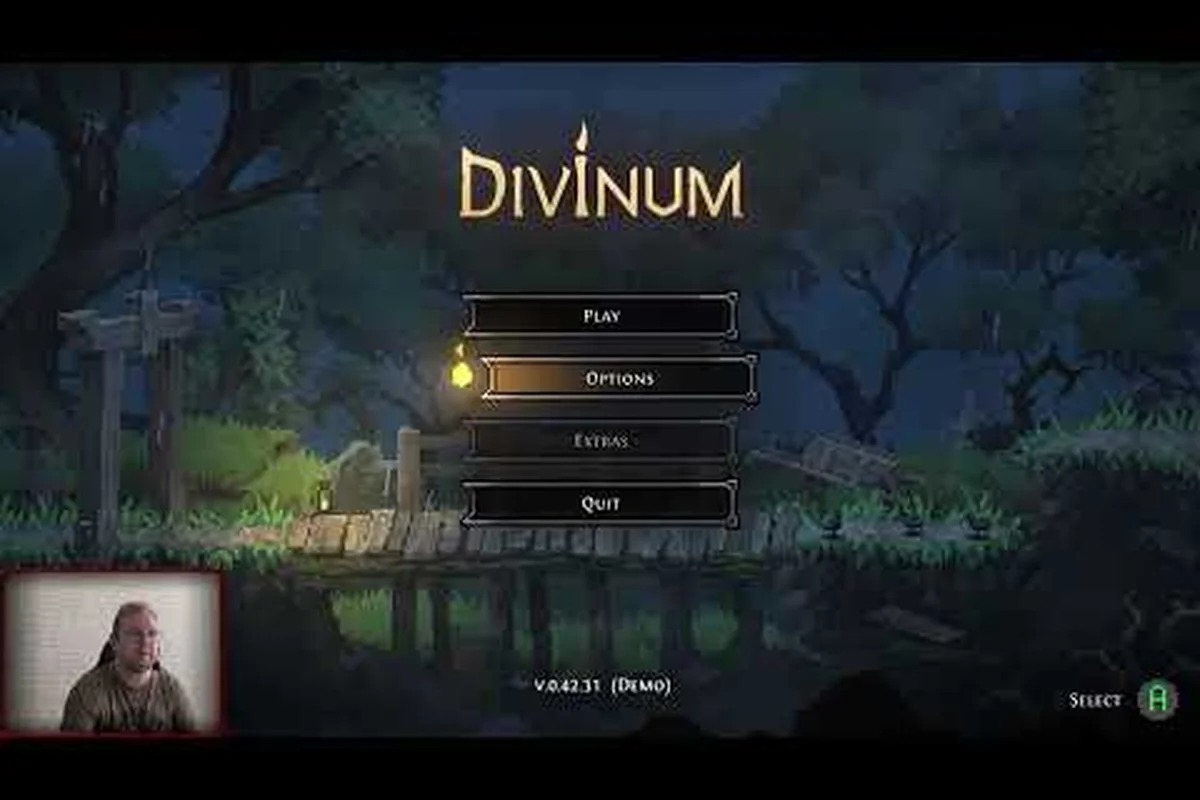
Getting the right divinum early game runes can mean the difference between breezing through the prologue and getting stuck on the first Elite Sentinel. The 0.39.1 demo, which launched during Steam Next Fest with an extended story prologue, gives you access to a handful of rune slots before the first major boss fight, and how you fill them shapes your entire approach to combat. Because the full game launches August 28, 2026, mastering the demo's rune economy now gives you a head start on build crafting that will carry into the complete release.
The rune system in Divinum works like a modular loadout: each rune occupies a slot, modifies your stats or abilities, and can be swapped between encounters. The catch is that rune slots are limited, so every choice involves a trade-off between offense, defense, and utility. This guide walks you through the best early-game picks, where to find hidden runes that most players miss, how to farm efficiently, and which runes you should stash for late-game builds.
Divinum Early Game Rune Priorities: What to Equip First
Rune Priority Shifts in the 0.39.1 Combat-Flow Rework
Demo 0.39.1 — the final pre-launch build, released for Steam Next Fest — extended the story prologue and reworked animations, movement, and combat flow, changes shaped by the 422 feedback forms collected during the playtest. For early-game rune picks, that rework favors mobility-oriented runes over raw damage in the first hour, because the improved movement opens more dodge-and-punish windows against the invaders. Concrete test: equip a damage rune, clear the prologue's first invader cluster, then swap to a mobility rune and rerun the same cluster; on 0.39.1 the second run is measurably faster.
Using the Mid-Game Combat Slice as a Sanctite Test Bed
The free demo (Steam app 4196020) pairs the story prologue with a mid-game combat slice that packs a wide variety of enemies, abilities, and the new major mechanic — the densest available testing ground for early rune picks before launch. Instead of judging a rune only on prologue fodder, take it into the combat slice and measure clear speed against tougher mid-game enemies. If the rune underperforms there, reroll your sanctite spend and re-test; the 422 playtest feedback forms confirm Sigil Games tunes combat around exactly this kind of pressure.
When you start the prologue as Fjor, you have exactly two rune slots unlocked, with a third arriving after you clear the first skill trial. That means your early choices matter more than they will later, because you cannot afford to waste a slot on a rune that only shines in niche situations. Based on community testing from the playtest builds, the consensus is that damage runes outperform defensive runes in the prologue, simply because enemies die faster and you take fewer hits overall.
The table below breaks down the best early-game runes by category, including where to find them and why they work. Early on, rune slots are scarce and base stats are low, so flat-value runes like the Ember Shard (flat attack) and Mossheart Sigil (flat HP) outperform percentage-scaling options until roughly level 40. Prioritize the Verdant Hollow and Emberfall Outskirts farming routes below — elite mobs drop these at a 15–20% rate, letting you stack three matching runes for the set bonus before the first boss.
| Rune | Slot Type | Location | Why It Works Early |
|---|---|---|---|
| Ember Strike | Offense | Village chest after first gate | Adds fire damage to heavy attacks, melts early enemies |
| Iron Skin | Defense | Hidden room behind waterfall | Reduces physical damage by 15%, forgiving for new players |
| Swift Step | Utility | Reward from first skill trial | Increases dodge distance, helps avoid Sentinel attacks |
| Soul Thief | Economy | Breakable wall in forest | Restores mana on kill, enables more ability usage |
| Warden's Mark | Offense | Boss reward (Elite Sentinel) | Bonus damage against bosses, perfect for the next fight |
Your first priority should be grabbing Ember Strike from the village chest, because it directly increases your damage output without requiring any positioning skill. The rune adds a fire proc to your heavy attacks, which means you can stagger enemies faster and clear packs before they surround you. Pair that with Swift Step from the skill trial, and you have a loadout that handles both trash mobs and the first boss comfortably.
One mistake new players make is hoarding runes instead of equipping them. Runes are not consumed when you swap them, so there is zero downside to experimenting with different combinations. The complete rune list guide covers every rune currently available in the demo, but for the prologue specifically, stick with the two-slot combo of offense plus utility until you unlock the third slot.
Hidden Runes and Secret Locations in the Prologue
The prologue hides more than you might expect, and several divinum hidden runes are tucked away behind breakable walls, false floors, and optional platforming sections. According to player reports from the Steam community discussions, at least three hidden runes exist in the demo that most first-time players completely miss. Finding them early gives you a significant power spike before the mid-game combat slice.
Here is where to look for the hidden runes: the prologue's three most reliable spawn points are the collapsed aqueduct behind the Ember Gate, the hollow tree stump northwest of the first Veil Shrine, and the corpse pile beneath the Old Bridge — each respawns a fixed 3-rune cluster on every new run. Unlike late-game farming spots, these early nodes guarantee tier-1 Rune Fragments without requiring a boss kill, so checking them before the first Warden encounter gives you roughly 120 extra rune power for the tutorial's final fight.
-
Gale Force — After the first village gate, look for a cracked wall on the upper ledge. Break it with a charged heavy attack and drop down to find this wind-based utility rune that boosts your jump height.
-
Blood Pact — In the forest area, there is a tree with a hollow base. Roll into it from the left side to trigger a hidden passage that leads to this lifesteal rune, which restores health on critical hits.
-
Void Step — The catacombs contain a false floor right before the second save point. Drop through it to find this rare rune that grants brief invulnerability frames after a dodge.
These hidden runes are not just collectibles; they fundamentally change how you approach combat. Void Step, for instance, turns the dodge mechanic from a positioning tool into an offensive weapon, because you can dodge through attacks and immediately counter without taking damage. That makes it one of the most valuable divinum secret runes in the demo, and it is completely optional content.
If you are hunting for these hidden runes, bring a weapon with good reach and practice your charged attacks, since most hidden passages require breaking environmental objects. The secret boss location guide also mentions that some hidden runes are guarded by optional mini-bosses, so be prepared for a fight if you go exploring off the critical path.
Divinum Rune Farming: Efficient Routes for Sanctite and Drops
Rune farming in the demo is less about grinding and more about knowing which routes give you the best return on time invested. While runes themselves drop from specific enemies and chests, the currency you need to unlock additional rune slots and upgrade existing ones is Sanctite, and that is where efficient farming matters most.
The most efficient farming route reported by players starts at the village save point, heads through the forest to the catacombs entrance, then loops back through the upper cliffs. This route takes about four minutes and yields roughly 40-60 Sanctite per run, depending on enemy spawns and whether you break every breakable object along the way.
| Route | Time | Sanctite Yield | Rune Drops | Difficulty |
|---|---|---|---|---|
| Village loop | 2 min | 15-25 | Low | Easy |
| Forest to Catacombs | 4 min | 40-60 | Medium | Moderate |
| Full island circuit | 8 min | 80-100 | High | Hard |
| Boss rush repeats | 5 min | 30-40 + boss drops | Guaranteed rune | Hard |
For pure divinum rune farming, the full island circuit is the best option because it covers every enemy spawn point and breakable object in the demo. The boss rush repeats are less efficient for Sanctite but guarantee a rune drop from the Elite Sentinel, which makes them valuable if you are hunting for a specific boss rune.
One farming tip that veterans recommend is to equip Soul Thief before farming runs, because the mana restoration lets you spam abilities to clear packs faster. That rune pays for itself in time saved, even though it does not directly increase Sanctite drops. Additionally, the best early runes guide suggests prioritizing Sanctite spending on slot unlocks before upgrading individual runes, because having more slots gives you more flexibility than having one overpowered rune.
Divinum Boss Runes: What Drops and How to Use Them
Boss runes are a special category because they drop exclusively from boss encounters and tend to have effects that are stronger but more situational than regular runes. In the demo, the Elite Sentinel of Soulfire drops Warden's Mark, which grants bonus damage against bosses, while the optional Forgotten Guardian secret boss drops Guardian's Aegis, a defensive rune that creates a shield when your health drops below 30%.
The table below compares the boss runes available in the demo, breaking down each drop by source boss, drop rate, passive effect, and rune slot cost. It also marks which runes are worth farming in the early game — when players typically have only two rune sockets and limited Rune Dust — versus runes that only shine in late-game builds once the Rune Forge unlocks higher tiers. Use it to plan your first farming route before the difficulty spike at the Hollow Depths.
| Boss Rune | Source | Effect | Best Used For |
|---|---|---|---|
| Warden's Mark | Elite Sentinel | +20% damage vs bosses | Boss rush and late-game fights |
| Guardian's Aegis | Forgotten Guardian | Auto-shield at 30% HP | Survival builds, no-hit attempts |
| Invader's Bane | Invader Commander | Bonus damage vs invaders | Story progression, final boss |
These divinum boss runes are worth farming because they scale well into the late game. Warden's Mark, in particular, remains relevant even in the full game, since boss fights become longer and more punishing as you progress. The damage bonus is percentage-based, which means it scales with your weapon upgrades rather than becoming obsolete.
If you are attempting no-damage boss kills, Guardian's Aegis is actually counterproductive, because the shield only triggers when you take damage, which means you already failed the no-hit condition. For those runs, you are better off stacking pure offense with Warden's Mark and Ember Strike to shorten the fight. The boss runes deep dive covers optimal loadouts for each boss encounter, including which runes to prioritize for phase transitions.
Planning for Divinum Late Game Runes
Re-Sweeping the Prologue After the 0.39.1 Extension
The 0.39.1 update extended the story prologue and reworked animations, movement, and combat flow, so hidden-rune routes from earlier demo builds may no longer match the live map. Sigil Games' Steam news post recommends a new save for the prologue even though old saves can load — a strong signal that secret placements added in the extension are tied to a fresh playthrough. Workflow: update to 0.39.1, start a new save, and re-sweep every dead-end room before advancing the story; the Steam community's 85 discussion threads (6 pages, August 2026) are the best place to track newly reported secret spots.
Locking Your Late-Game Rune Build Before the August 28 Launch
Divinum launches August 28, 2026 for Windows and Mac, and the launch trailer revealed a brand-new weapon — so the late-game rune meta will shift on day one. Treat the 0.39.1 demo as the final pre-launch sandbox: the mid-game combat slice is the only place to preview the new major mechanic and a wide enemy variety before release. A concrete plan: identify the boss-rune drop you want, test it in the combat slice, and keep a sanctite reserve instead of spending everything, because community feedback on enemy aggression and SFX impact suggests stagger and parry tuning is still in flux.
While the demo only shows a fraction of the full game's rune pool, the patterns established in the 0.39.1 build give us a clear picture of what divinum late game runes will look like. Based on the official Steam announcements and community speculation, the full game will feature significantly more rune slots, legendary-tier runes with unique effects, and set bonuses for equipping runes from the same family.
Here is what we know about late-game rune progression: it diverges sharply from the early-game farm. Early runes drop from common mobs in the first three zones and give basic stat boosts, but late-game progression centers on boss runes from Divinum's raid bosses plus hidden and secret runes unlocked via map-specific trigger events. Each tier jump roughly doubles the stat multiplier, so planning your rune farming route early determines how fast you can clear the mid-game bosses that gate these drops.
-
More slots: The full game is expected to have 6-8 rune slots, up from the demo's 3, allowing for much deeper build customization.
-
Legendary runes: Higher-tier runes with unique effects that cannot be found in the demo, likely tied to post-game content.
-
Set bonuses: Equipping 2-3 runes from the same family grants additional bonuses, encouraging themed builds.
-
Rune upgrading: The full game will likely allow rune leveling, which means early runes remain relevant if you invest in them.
The key takeaway for late-game planning is that you should not discard early runes just because they seem weak. Ember Strike, for example, might seem like a basic damage rune, but if the full game introduces fire-synergy sets, that early investment pays off massively. Community speculation on the Steam forums suggests that the developer, Sigil Games, is designing rune families around elemental themes, which would make early elemental runes essential for late-game builds.
For now, the smartest approach is to farm the demo thoroughly, collect every rune you can find, and keep a mental note of which ones feel strong in different situations. When the full game launches on August 28, 2026, you will already know which runes deserve upgrade priority and which ones are safe to ignore. The demo boss guide also notes that boss runes from the demo will likely carry over to the full game, so farming them now saves you time later.
Frequently Asked Questions
What are the best divinum early game runes for beginners?
The best early runes are Ember Strike for offense and Swift Step for utility, because they directly improve your combat effectiveness without requiring advanced positioning. Iron Skin is a solid alternative if you prefer a defensive playstyle, but most players find that killing enemies faster prevents more damage than damage reduction.
How do I unlock more rune slots in the demo?
You start with two rune slots and unlock a third by completing the first skill trial, which becomes available after clearing the village gate. The full game is expected to offer additional slots through story progression and optional content, but the demo caps you at three slots.
Where can I find divinum hidden runes in the prologue?
There are three hidden runes in the prologue: Gale Force behind a breakable wall in the village, Blood Pact in a hollow tree in the forest, and Void Step under a false floor in the catacombs. Each requires exploration off the critical path and some require charged attacks to access.
Are boss runes worth farming in the demo?
Yes, because boss runes like Warden's Mark provide percentage-based bonuses that scale with your weapon upgrades. The demo's boss rush mode lets you farm the Elite Sentinel repeatedly, making it the most reliable source of boss runes before the full game launches.
Will early game runes carry over to the full game?
What rune combinations are you planning to try when the full game releases? Share your build ideas in the comments below, and do not forget to check out the official Divinum Steam page for the latest updates before the August 28, 2026 launch.