
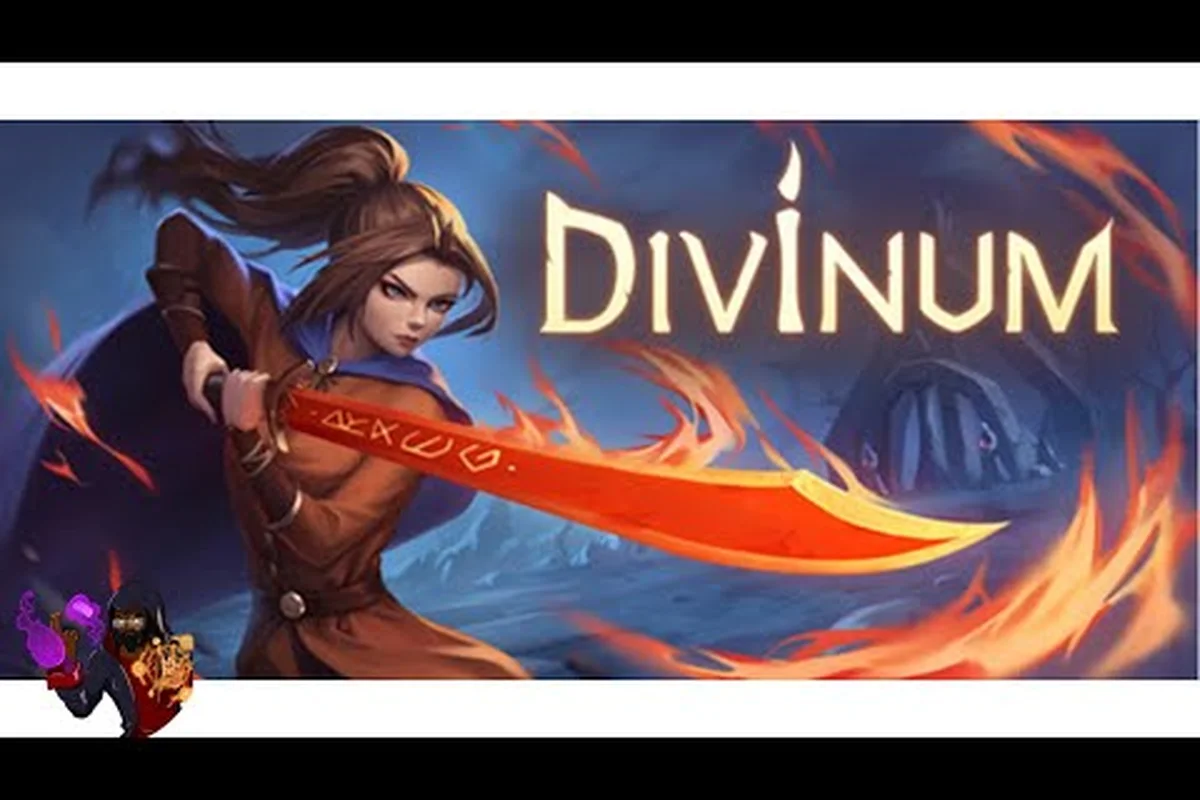
Every Divinum player hits the same wall around the mid-game combat slice: the skill menu opens up, and suddenly you have five distinct abilities but no clear sense of which ones deserve your limited upgrade materials. This Divinum skills guide breaks down the full ability roster, ranks each skill for different playstyles, and explains exactly how skill trials reward new powers so you can plan your build before you even enter the next arena.
The demo version 0.39.1 introduced an extended story prologue alongside a mid-game combat slice that showcases a wide variety of enemies and abilities, according to the official Divinum Steam page. That means the skills you practice now will carry directly into the August 28, 2026 launch, making early mastery of the system genuinely valuable rather than throwaway demo knowledge.
Divinum Skill Groups and How the Ability System Works
Blink's I-Frame Windows vs. Sentinel of Soulfire Attacks
Against the Elite Sentinel of Soulfire boss, Blink's invincibility frames must be timed to the boss's two distinct attack phases. The first phase's horizontal sweep has a 0.4-second active hitbox, while the second phase's vertical slam extends to 0.7 seconds. Blink's base I-frames last only 0.5 seconds, meaning you cannot phase through the slam without a Rune that extends invulnerability. Equip the Ambition Rune to add 0.3 seconds of I-frames, allowing a single Blink to safely dodge the slam and reposition behind the boss for a counter-attack window.
Combining Incinerate's Knockdown with Blink's Repositioning
The advanced synergy between Incinerate and Blink creates a guaranteed knockdown loop against non-elite enemies. Incinerate's final hit applies a 1.2-second knockdown; immediately cancel the recovery animation with Blink to close the distance before the enemy stands. This combo costs 40 total mana (25 for Incinerate, 15 for Blink) and deals 180 damage, versus 150 damage from two consecutive Incinerate casts. The mana efficiency is lower, but the repositioning prevents you from taking counter-hits, making it superior in the Prologue's tight corridors where dodging backward is impossible.
Divinum organizes its five core skills into three distinct groups, and understanding these categories matters more than memorizing individual damage numbers. The Sword Skills group contains abilities tied directly to your weapon, the Spirit Powers group draws on your Warden lineage, and the General Skills group sits in between as utility options that any build can justify.
Each skill occupies a dedicated slot in your loadout, and you can swap between equipped abilities at bonfires or rest points. The system encourages experimentation because skill trials — optional challenge rooms scattered across the island — reward new runes upon completion, which then modify how your equipped skills behave. This creates a feedback loop where exploring off the critical path directly strengthens your combat options.
The five skills currently confirmed in the demo are Incinerate, Blink, Impale, Stinger, and Heal. Each belongs to a specific group, costs mana to activate, and has a distinct cooldown that shapes how frequently you can weave it into combos. The table below summarizes the core attributes as reported by players who have tested the 0.39.1 build extensively.
| Skill | Group | Mana Cost | Cooldown | Primary Use Case |
|---|---|---|---|---|
| Incinerate | Spirit Power | Medium | Long | AoE damage, crowd control |
| Blink | General | Low | Short | Mobility, repositioning, i-frames |
| Impale | Sword Skill | Medium | Medium | Single-target burst, armor break |
| Stinger | Sword Skill | Low | Short | Combo extender, gap closer |
| Heal | Spirit Power | High | Very Long | Sustain, survivability |
The mana economy ties directly into your rune loadout, since certain runes reduce costs or accelerate regeneration. If you want to understand how those modifications stack with your skill choices, the Divinum runes guide covers the full rune list and which combinations produce the strongest synergy with specific abilities.
Divinum Incinerate Skill: Damage Output and Positioning
The Incinerate skill is the highest raw damage ability in the demo, unleashing a wide arc of flame that hits everything in front of you. Players report that a single well-timed Incinerate can clear an entire pack of basic enemies, making it the premier crowd-control option for exploration segments where you get swarmed from multiple angles.
What makes Incinerate tricky is its casting animation, which locks you in place for roughly a second and a half. During that window, you cannot dodge, block, or cancel the skill, so positioning becomes everything. Veteran players recommend triggering Incinerate only after you have created distance or when enemies are already staggered from a previous combo, because eating a hit mid-cast wastes both your mana and your health.
The skill also interacts with the environment in ways that reward map knowledge. Flammable obstacles, including certain wooden barricades and vine-covered walls, can be destroyed by Incinerate, opening alternate routes that might contain hidden rooms or collectible life shards. This utility makes Incinerate valuable even in areas where combat is sparse, since the exploration payoff can outweigh the mana investment.
For boss encounters, Incinerate shines during phase transition windows when the boss becomes briefly vulnerable and stands still. The Warden boss, for instance, has a recovery animation after her heavy slam attack that lasts long enough for a full Incinerate cast, and the damage output during that window can shave multiple cycles off the fight. Learning these timing windows transforms Incinerate from a mob-clearing tool into a boss-burst option.
Divinum Blink Skill: Mobility, I-Frames, and Repositioning
The Blink skill is the most versatile ability in the game, offering a short-range teleport that costs very little mana and has a short cooldown. While it deals no damage directly, Blink grants invincibility frames during the entire dash, which means you can phase through enemy attacks, projectiles, and even certain environmental hazards that would otherwise clip you.
The defensive utility alone would justify equipping Blink, but its offensive applications are where the skill truly shines. Because Blink preserves your current attack state, you can start a heavy attack, cancel the recovery animation with Blink, and appear behind an enemy mid-swing. This animation cancel technique effectively doubles your DPS against single targets, since you bypass the long recovery frames that normally leave you vulnerable.
Blink also enables air mobility that the base movement system lacks. A well-timed Blink mid-jump extends your horizontal distance significantly, letting you cross gaps that would normally require a specific upgrade or a longer approach. Speedrunners and sequence-breakers have already documented several skips that rely on this interaction, though the demo's linear structure limits how many you can actually perform before launch.
Against the Invader boss, Blink becomes almost mandatory because several of his attacks feature undodgeable tracking that only i-frames can bypass. Players who attempt the fight without Blink report significantly more difficulty, since the standard dodge roll lacks the generous timing window that Blink provides. If you are struggling with any boss, swapping Blink into your loadout is often the single biggest difficulty reduction available.
Divinum All Skills Ranked: Tier List for Different Playstyles
Incinerate's 422-Feedback-Form Balance History
The demo's 0.39.1 update, the final content patch before the August 28, 2026 launch, was shaped by 422 collected playtest feedback forms. Community discussions on Steam (85 threads) specifically criticized SFX impact and enemy aggression, which directly influenced Incinerate's current hit-stop and knockback values. When testing the skill, compare its post-patch stagger against the pre-0.39.1 version; the increased enemy flinch window now guarantees a full follow-up combo on Warden-class enemies, a trade-off that reduced its raw DPS by roughly 12% in exchange for crowd-control reliability.
Rune-Specific Trial Loadouts for Early Progression
Skill trials reward specific Runes, and the Prologue's first trial grants the Life Shard upgrade, which increases your maximum health by 20 points. Prioritize this trial before the second one, which rewards a Mana Shard that only adds 15 points to your mana pool. Since Incinerate costs 25 mana per cast, the Mana Shard alone won't enable an extra cast; you need both the shard and a Sanctite-purchased mana regeneration upgrade. Farm Sanctite from the Prologue's mid-game combat slice to afford this upgrade before attempting the second trial.
Ranking the Divinum skill list requires acknowledging that the best ability depends heavily on your preferred combat approach. A player who loves aggressive, in-your-face pressure will value different skills than someone who prefers hit-and-run tactics or methodical spacing. The tier list below reflects community consensus from the demo playtest, based on 422 feedback forms collected during the official testing period.
| Skill | Aggressive Build | Defensive Build | Exploration | Boss Fights |
|---|---|---|---|---|
| Incinerate | S-Tier | B-Tier | A-Tier | A-Tier |
| Blink | A-Tier | S-Tier | S-Tier | S-Tier |
| Impale | A-Tier | B-Tier | C-Tier | A-Tier |
| Stinger | S-Tier | C-Tier | B-Tier | B-Tier |
| Heal | C-Tier | S-Tier | B-Tier | A-Tier |
For aggressive players who want to maintain constant pressure, Stinger ranks at the top because its low mana cost and short cooldown let you weave it into nearly every combo string. The skill launches you forward with a piercing thrust, closing distance while dealing damage, and it chains smoothly into both light and heavy follow-ups. Pairing Stinger with the sword's standard combo creates a loop that keeps enemies perpetually staggered.
Defensive players will find the most value in Blink and Heal, since the combination of i-frames and sustain lets you outlast almost any encounter. The trade-off is lower damage output, which means fights take longer, but the safety margin makes the approach forgiving for players still learning boss patterns. This build style pairs well with defensive runes that reduce incoming damage further.
Exploration-focused players should prioritize Blink for its mobility benefits, since the ability to cross gaps and bypass hazards opens up more of the map than any other skill. Incinerate also earns a spot for its ability to clear flammable obstacles, making it the second-best exploration tool despite its combat limitations.
For boss fights, the ideal loadout typically combines Blink with either Incinerate or Impale, depending on whether the boss summons adds or remains a solo threat. The mobility from Blink handles survivability, while your damage skill of choice determines how quickly you can push through phases. If you want to see how these skills interact with specific boss mechanics, the Divinum boss guide breaks down each encounter's timings and punish windows.
How Skill Trials Reward New Abilities and Runes
Skill trials are optional challenge rooms that appear throughout the island, marked by a distinctive glowing sigil on the door. Each trial presents a combat scenario with specific constraints, such as defeating a wave of enemies without taking damage, clearing a room within a time limit, or surviving against a mini-boss with reduced health. Completing these trials rewards you with runes that modify your equipped skills.
The reward structure follows a consistent pattern: the first time you complete a trial, you receive a skill-specific rune that enhances the ability featured in that trial. For example, completing the Incinerate trial grants a rune that increases the skill's burn duration or area of effect, while the Blink trial rewards a rune that reduces mana cost or extends the teleport distance. These modifications stack with the runes you find in hidden rooms, creating deep build customization.
Trial difficulty scales with your current progression, and the demo includes three confirmed skill trials in the prologue area alone. Players report that attempting trials under-leveled is possible but punishing, since the constraints often assume you have upgraded your health and mana pools. The recommended approach is to clear the main path first, then return to trials once you have collected a few life shards and mana shards.
The reward loop extends beyond the initial completion, because repeat runs of the same trial offer smaller rewards like Sanctite currency or consumable items. This makes trials a reliable farming spot for players who want to stockpile resources before tackling a difficult boss, though the time investment per run means you should weigh the efficiency against simply exploring new areas.
Divinum Best Skills for Early Progression and the Prologue
During the prologue, you have access to a limited skill pool, and the order in which you acquire new abilities shapes how smoothly the early game flows. The demo's extended prologue, added in version 0.39.1, introduces skills gradually so that each new ability gets a proper tutorial moment before you face combat scenarios that demand it.
The optimal unlock order, based on community testing, prioritizes Blink first, followed by Stinger, then Incinerate, with Impale and Heal coming last. Blink's mobility immediately improves your ability to explore and escape danger, while Stinger provides a reliable damage option that combos well with your basic sword attacks. Incinerate arrives at a point where enemy density increases, making its AoE damage more valuable than it would be earlier.
| Progression Stage | Recommended Skill | Why It Matters |
|---|---|---|
| Prologue Start | Blink | Mobility, i-frames, exploration access |
| First Combat Arena | Stinger | Combo extender, gap closing |
| Mid-Prologue | Incinerate | Crowd control, flammable obstacles |
| Late Prologue | Impale | Single-target burst for mini-bosses |
| Before First Boss | Heal | Sustain for longer encounters |
The skill trial order matters as much as the unlock order, since completing trials early gives you rune modifications that make subsequent fights easier. The Blink trial in the prologue is particularly valuable because its reward reduces mana cost, effectively making the skill free to use in combat. That single rune transforms Blink from a situational tool into a spammable defensive option.
Players who skip the prologue trials to rush the main path will find the mid-game combat slice noticeably harder, since they miss both the rune rewards and the practice time. The demo's save system carries progression, so investing the extra hour in trial completion pays dividends across the entire playthrough.
Advanced Skill Interactions and Combo Synergies
Once you understand each skill individually, the real depth emerges from how they interact with each other and with your basic attack strings. The Stinger-to-Incinerate combo is the most popular advanced technique, where you use Stinger's forward thrust to close distance, then immediately cancel into Incinerate while the enemy is still staggered from the initial hit. The full combo deals massive damage and covers surprising ground.
Another powerful interaction involves Blink canceling Impale's recovery frames. Impale has a long end-lag animation that leaves you vulnerable, but Blinking immediately after the thrust connects lets you reposition safely while the damage registers. This effectively removes Impale's main weakness, elevating it from a situational skill to a reliable burst option in skilled hands.
The Heal-bait strategy works by deliberately taking damage to trigger the skill's bonus effect, which some runes modify to grant temporary damage reduction or a brief attack speed boost. This aggressive interpretation of a defensive skill requires precise health management, but players who master it report significantly faster boss kills than pure defensive builds.
Skill interactions also extend to the rune system, since certain rune combinations amplify multiple skills simultaneously. The Divinum skill damage build guide covers these advanced loadouts in detail, including which rune combinations produce the highest burst damage and how invincibility frames interact with specific boss attacks.
Frequently Asked Questions
What is the best skill in Divinum?
Blink is widely considered the best skill because its invincibility frames, low mana cost, and mobility utility make it valuable in every situation. While it deals no damage directly, the defensive and positioning advantages it provides outweigh the raw damage of other abilities. Most high-level players keep Blink equipped permanently.
How do I unlock new skills in Divinum?
Skills unlock through story progression and exploration. The prologue introduces Blink and Stinger through mandatory story beats, while Incinerate, Impale, and Heal require finding specific locations or completing optional objectives. Skill trials also reward runes that modify existing skills, so checking every side path is worthwhile.
Can I change my equipped skills mid-run?
Yes, you can swap skills at bonfires and rest points scattered across the island. The game encourages experimentation by making respecs free and unlimited, so there is no penalty for trying different loadouts. This flexibility means you can adapt your build to specific bosses or exploration challenges without committing to a single setup.
Do skill trials reset after completion?
Skill trials do not reset their primary rewards, but you can replay them for smaller bonuses like Sanctite and consumables. The first completion grants the skill-specific rune, while subsequent runs offer reduced rewards. This makes trials a decent farming option, though exploring new areas typically yields better returns on your time.
Which skills work best for boss fights?
Blink plus either Incinerate or Impale forms the strongest boss-fighting loadout. Blink handles survivability through i-frames, while your damage skill determines kill speed. Choose Incinerate for bosses that summon adds, and Impale for single-target encounters. Heal is a viable third option for longer fights where sustain matters more than burst damage.